
JavaScript finally gets dates right
JavaScript's Date object is 30 years old, copied from Java, and never really fixed. Temporal is the native API that finally gets dates right: immutable, timezone-aware, and no more dividing by 86400000.

Martin Ferret
May 12, 2026
Quick: what does 86400000 mean?
If you answered "milliseconds in a day" without hesitating, you've been hurt before. We all have. For 30 years, date math in JavaScript meant subtracting two Date objects, getting milliseconds back, and dividing by that magic number. Then praying the timezones don't break everything.
The Temporal API ships natively in Chrome 144 and Firefox 139. After nearly a decade of TC39 work, it's here, and it fixes basically everything.
What was broken with Date
The original Date object shipped in 1995, copied from Java. It barely changed since. The greatest hits of pain:
- Months are 0-indexed. January is
0. December is11. Why? Java did it. Moving on. - It's mutable. Pass a
Dateinto a function, that function can silently wreck it. - Parsing is inconsistent. Same string, different engines, different results.
- Timezone support is basically nonexistent. You need a full library just to handle DST correctly.
This is exactly why Moment.js, date-fns, Luxon, and Day.js all exist. Temporal makes them optional for most use cases.
How Temporal works
The core idea: instead of one overloaded Date type that tries to do everything, Temporal gives you distinct types for distinct concepts, PlainDate for a calendar date with no timezone, ZonedDateTime for the full thing, Duration for elapsed time, and so on. Everything is immutable, every operation returns a new instance, no silent mutations.
The before/after is pretty striking:
// Before
const diff = Math.floor((endDate - startDate) / 86400000);
// → 438   (days only, nothing else)

// After
const diff = startDate.until(endDate, { largestUnit: 'year' });
// → { years: 1, months: 2, days: 19 }
That's the vibe across the whole API. Date arithmetic handles end-of-month overflow correctly. Timezone conversions use the IANA database natively, no library needed. Parsing is strict ISO 8601, same result everywhere.
Browser support
| Environment | Status |
|---|---|
| Chrome 144+ | ✓ Native |
| Firefox 139+ | ✓ Native |
| Safari | In progress |
| Edge | In progress |
| Node.js | Not yet native |
Should you use it now?
If you're starting a new project targeting modern browsers: yes, reach for Temporal. For existing codebases with stable date logic, there's no rush, your date-fns setup isn't going anywhere.
But the next time you find yourself typing / 86400000, you'll know there's a better way.
Ready to prove your JavaScript skills?
Get certified in JavaScriptMore JavaScript articles
Keep learning JavaScript. Then get certified when you are ready.
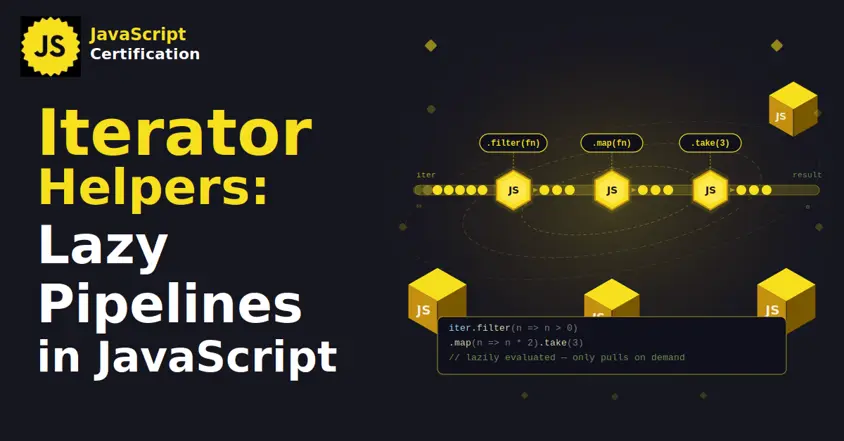
Iterator Helpers: Lazy Pipelines in JavaScript
ES2025 added map, filter, take and drop to iterators. Learn how lazy pipelines skip intermediate arrays, handle infinite sequences, and where they do not help.
Martin Ferret
Oct 6, 2026
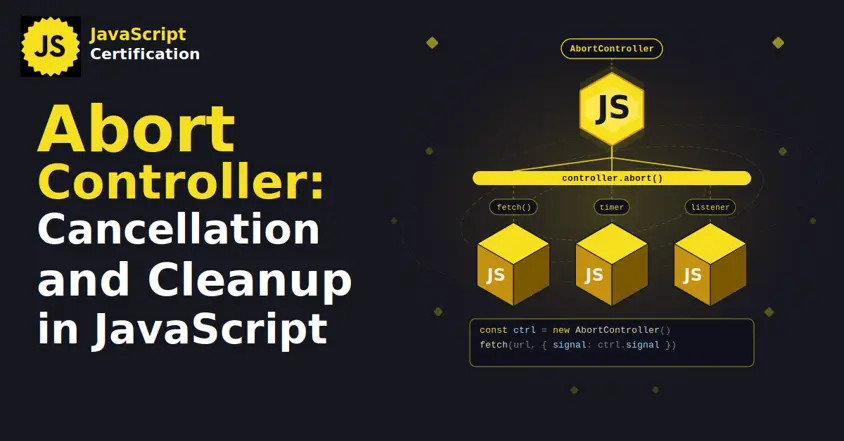
AbortController: Cancellation and Cleanup in JavaScript
AbortController does more than cancel a fetch. Learn how one signal cleans up event listeners, times out requests, and combines with AbortSignal.any().
Martin Ferret
Sep 22, 2026
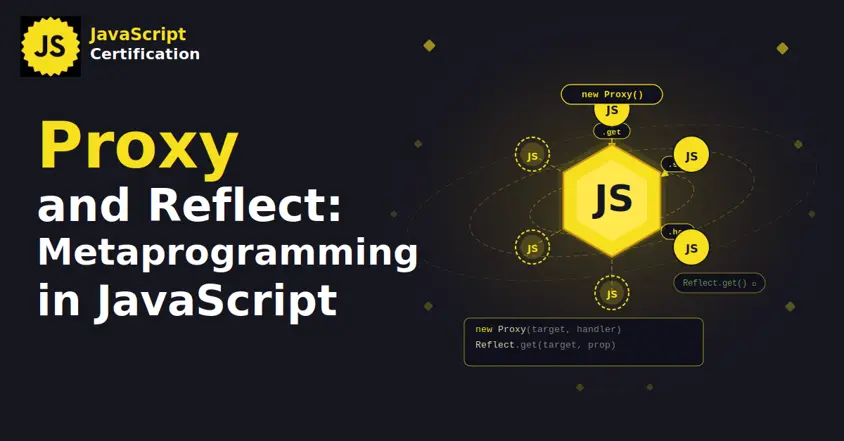
Proxy and Reflect: Metaprogramming in JavaScript
Learn how JavaScript Proxy and Reflect intercept object operations: the 13 traps and why Reflect matters.
Martin Ferret
Sep 8, 2026