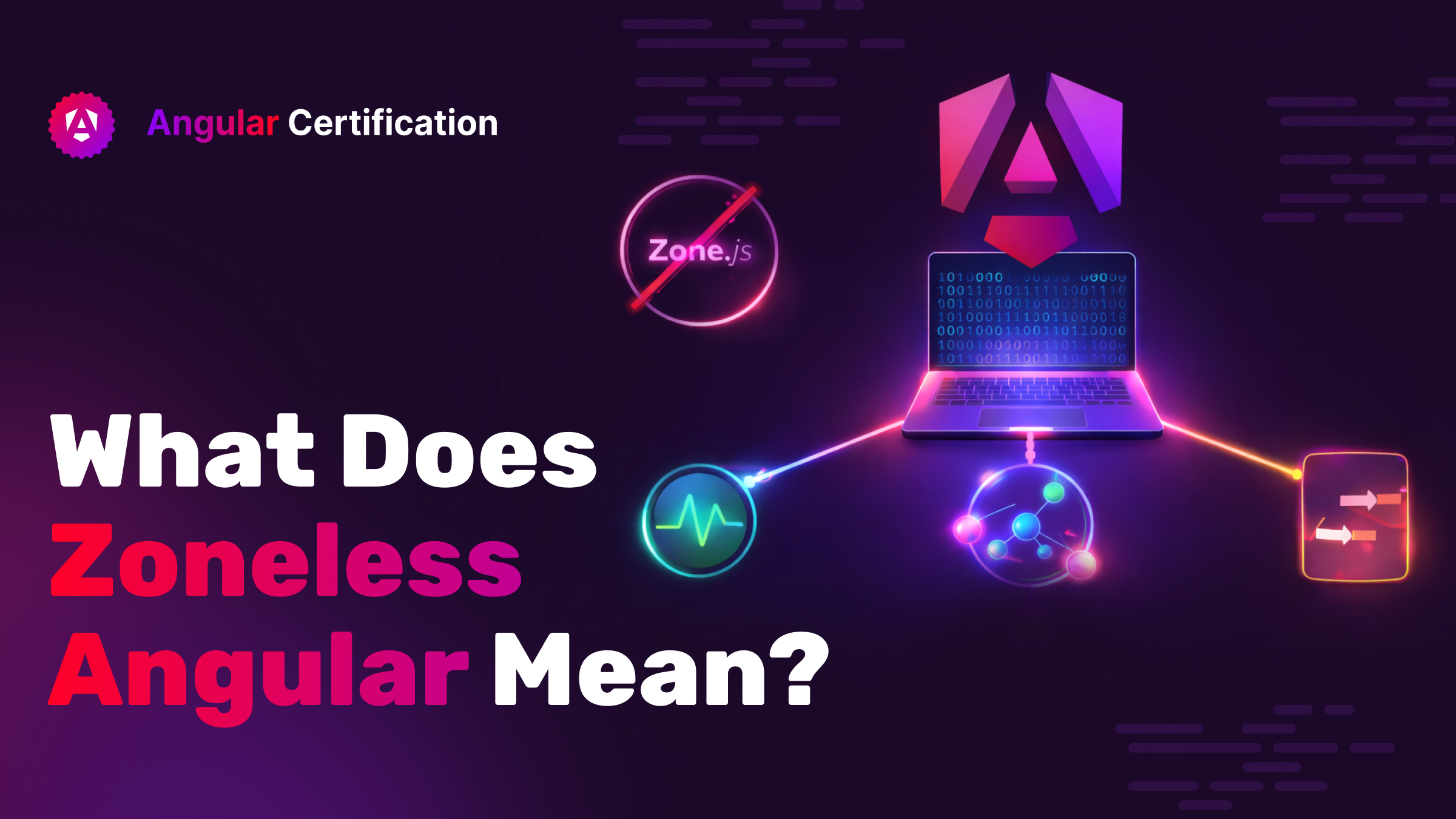
What Does Zoneless Angular Mean?
Explore what “zoneless” Angular means—how change detection works without Zone.js, what triggers updates instead, and the best practices (Signals, OnPush, async pipe) to get ready.

Alain Chautard
March 5, 2026
With the release of Angular 20, the buzz around zoneless Angular applications has increased quite a bit. That’s because Zoneless is no longer an experimental feature, as it has been promoted to developer preview, the final step before becoming stable.
So, what is Zoneless? I’ve explained before that Angular relies on a library called Zone.js to perform change detection. The idea is that any event in the browser (such as a click, a Promise that resolves, a timeout going off, etc.) is “watched” by Zone.js, which then tells Angular “something happened, check your components”. The framework then checks all components for changes and updates the DOM accordingly (see change detection illustrated here). That’s the default mode for Angular change detection.
With Zoneless, we remove Zone.js from the equation. The library can be uninstalled. This means that Angular needs to rely on other triggers to perform change detection, and there are a few of them available:
- A Signal value is updated. Angular knows all dependents of a Signal and would update all related components as a result.
- An OnPush component receives a new input / output value. This will instruct Angular to verify the component.
- An async pipe receives a new value from an Observable.
- Your code calls ChangeDetectorRef.markForCheck() directly.
If you follow best practices on component architecture, use the async pipe everywhere (which, as a reminder, you can do), and start using Signals as much as possible, you are pretty much all set for Zoneless Angular.
Article was originally published on Medium.
More certificates.dev articles
Get the latest news and updates on developer certifications. Content is updated regularly, so please make sure to bookmark this page or sign up to get the latest content directly in your inbox.
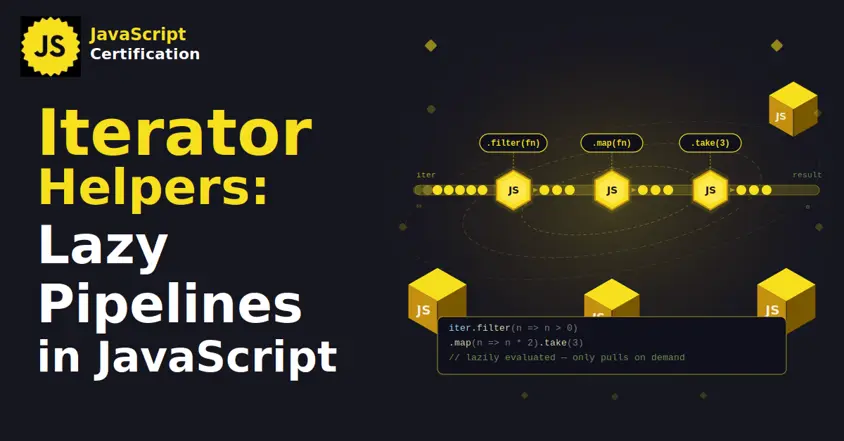
Iterator Helpers: Lazy Pipelines in JavaScript
ES2025 added map, filter, take and drop to iterators. Learn how lazy pipelines skip intermediate arrays, handle infinite sequences, and where they do not help.

Martin Ferret
Oct 6, 2026
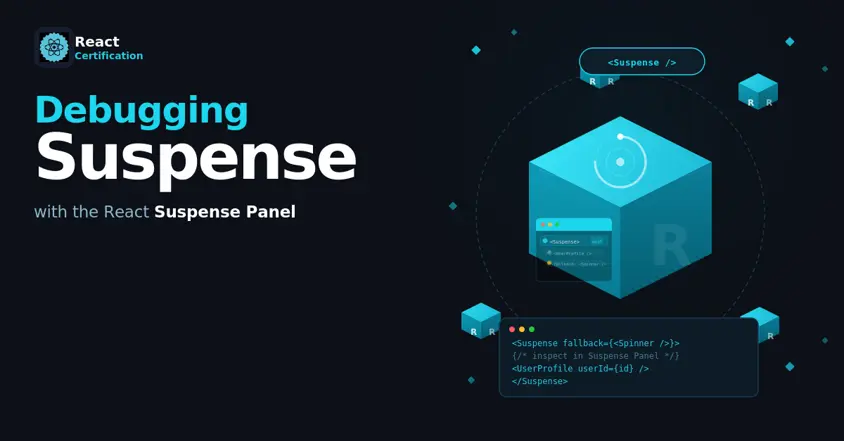
Debugging Suspense with the React Suspense Panel
The Suspense panel in React Developer Tools shows which boundary suspended, what it was waiting for, and the order your page revealed its content.

Aurora Scharff
Oct 1, 2026
Building Reusable Validators in Angular Signal Forms
Learn how to create reusable custom validators with Angular Signal Forms, with practical examples for building flexible and maintainable form validation.
Alain Chautard
Sep 29, 2026